Fleet washing services have become an integral component of maintaining company vehicles and ensuring they are operational and presentable. Regular cleaning of fleets enhances the longevity of the vehicles, aids in compliance with regulations, and boosts company image. In this article, we will explore the intricacies of fleet washing services, including the types available, key components, as well as logistics involved in choosing the right service provider. We'll also examine common challenges and emerging trends in the industry to provide a comprehensive understanding of what companies should expect when opting for these services. So, whether you're considering fleet washing for the first time or looking to optimize your existing solution, this guide is the perfect starting point.
Understanding Fleet Washing Services
Definition of Fleet Washing
Fleet washing refers to the systematic cleaning and maintenance of company vehicles, including cars, trucks, buses, and other operational fleets. This service is crucial for companies with multiple vehicles that require regular cleaning to ensure functionality and aesthetic appeal. Unlike conventional car washing, fleet washing involves handling larger vehicles and often addresses specific industrial cleaning standards. Professional fleet washers use specialized equipment and techniques to clean each vehicle efficiently and effectively. The aim is to improve vehicle performance, extend lifespan, and maintain a professional appearance.
Types of Fleet Washing Services
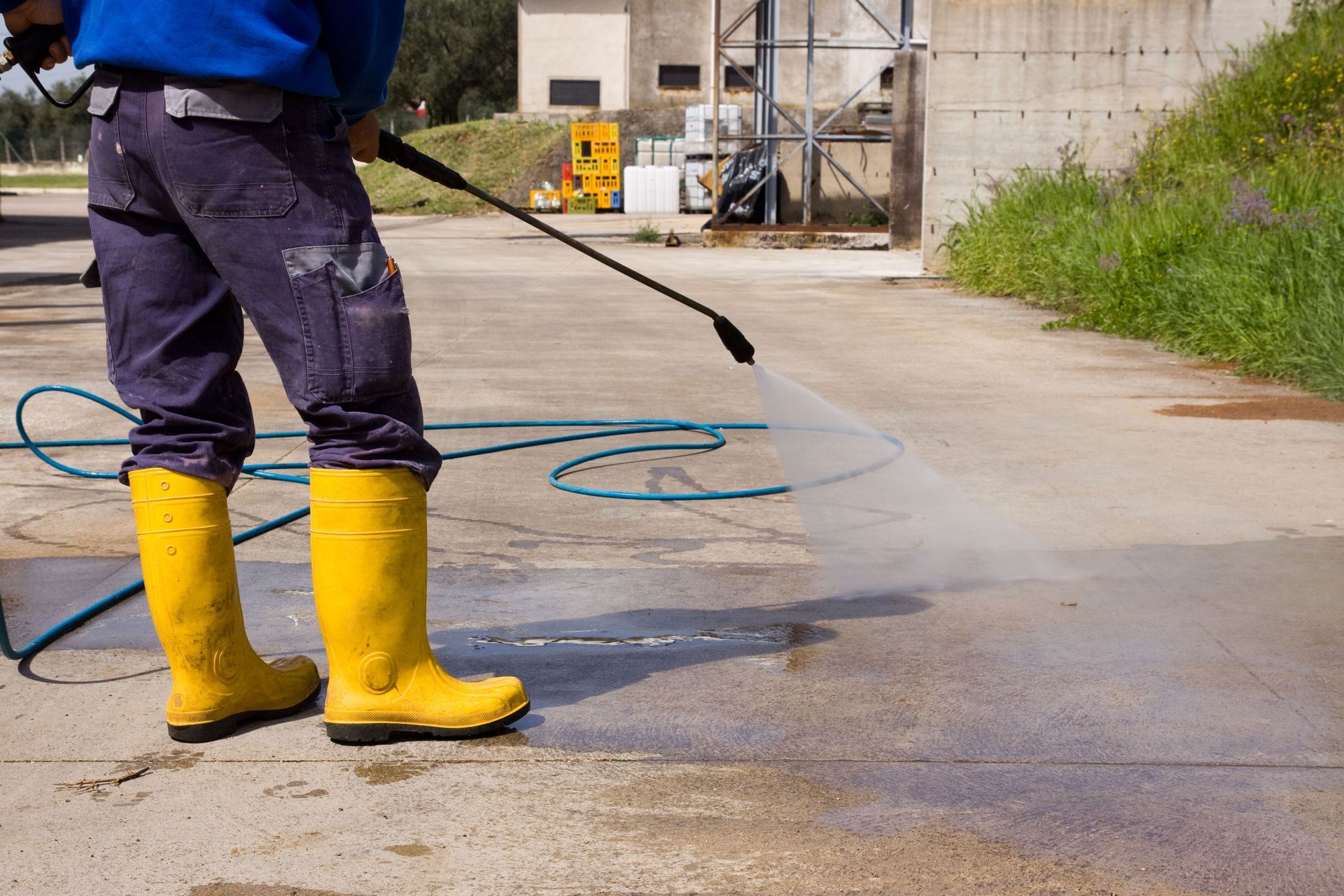
There are various types of fleet washing services available, ranging from basic exterior washes to comprehensive cleaning packages. The most common are pressure washing, hand washing, foam washing, and automated washes. Each method serves different needs, with pressure washing being particularly effective for tough stains and dirt. Hand washing offers a more detailed clean but may be more labor-intensive, whereas foam and automated washes provide quick solutions for large fleets. Deciding on the type of service depends on factors like the vehicle type, level of dirt, and company budget.
Key Benefits of Fleet Washing
Regular fleet washing services result in several benefits, starting with enhancing safety by improving driver visibility and minimizing rust and corrosion risks. Such services also preserve the resale value of vehicles by maintaining their exterior and mechanical components. Furthermore, a clean fleet can significantly impact company branding and customer perception, portraying a sense of professionalism and attention to detail. Clean vehicles are more likely to pass inspections and adhere to industry standards. Overall, fleet washing contributes to operational efficiency by ensuring vehicles are always ready for business use.
Industries that Rely on Fleet Washing Services
Several industries rely heavily on fleet washing services, including logistics and transportation, public transit, waste management, and construction. These sectors often operate under challenging conditions that expose their vehicles to dirt, grime, and pollutants. Regular cleaning is necessary to maintain operational efficiency and meet safety regulations. Additionally, delivery companies, taxi services, and rental car agencies frequently use fleet washing to keep their vehicles suitable for customer interactions. Each industry requires tailored fleet washing solutions to address its unique operational challenges and vehicle needs.
Common Misconceptions About Fleet Washing
One common misconception is that fleet washing is a simple, surface-level clean when, in reality, it involves detailed cleaning procedures to maintain vehicle health and appearance. Another misunderstanding is that fleet washing is an environmentally harmful practice due to chemical and water use. However, many services now prioritize eco-friendly practices and sustainable water usage. Some businesses also believe that standard car washes are sufficient for fleet cleaning, though fleets generally require more specialized services due to the size and diversity of vehicles. Lastly, there's a notion that fleet washing is excessively expensive when, in fact, it saves money by reducing maintenance costs over time.
Key Components of Fleet Washing
Cleaning Agents and Chemicals Used
Fleet washing services employ a variety of cleaning agents and chemicals, each chosen based on their effectiveness against specific types of dirt and grime. Degreasers, solvents, and detergents are commonly used to tackle oil residues and stubborn stains. However, as environmental concerns grow, there is a significant shift towards the use of biodegradable and eco-friendly cleaning solutions. It's essential to choose a service that balances effective cleaning with environmental responsibility. Additionally, proper training on chemical use is crucial to ensure technician safety and prevent potential damage to vehicles.
Equipment and Technology Involved
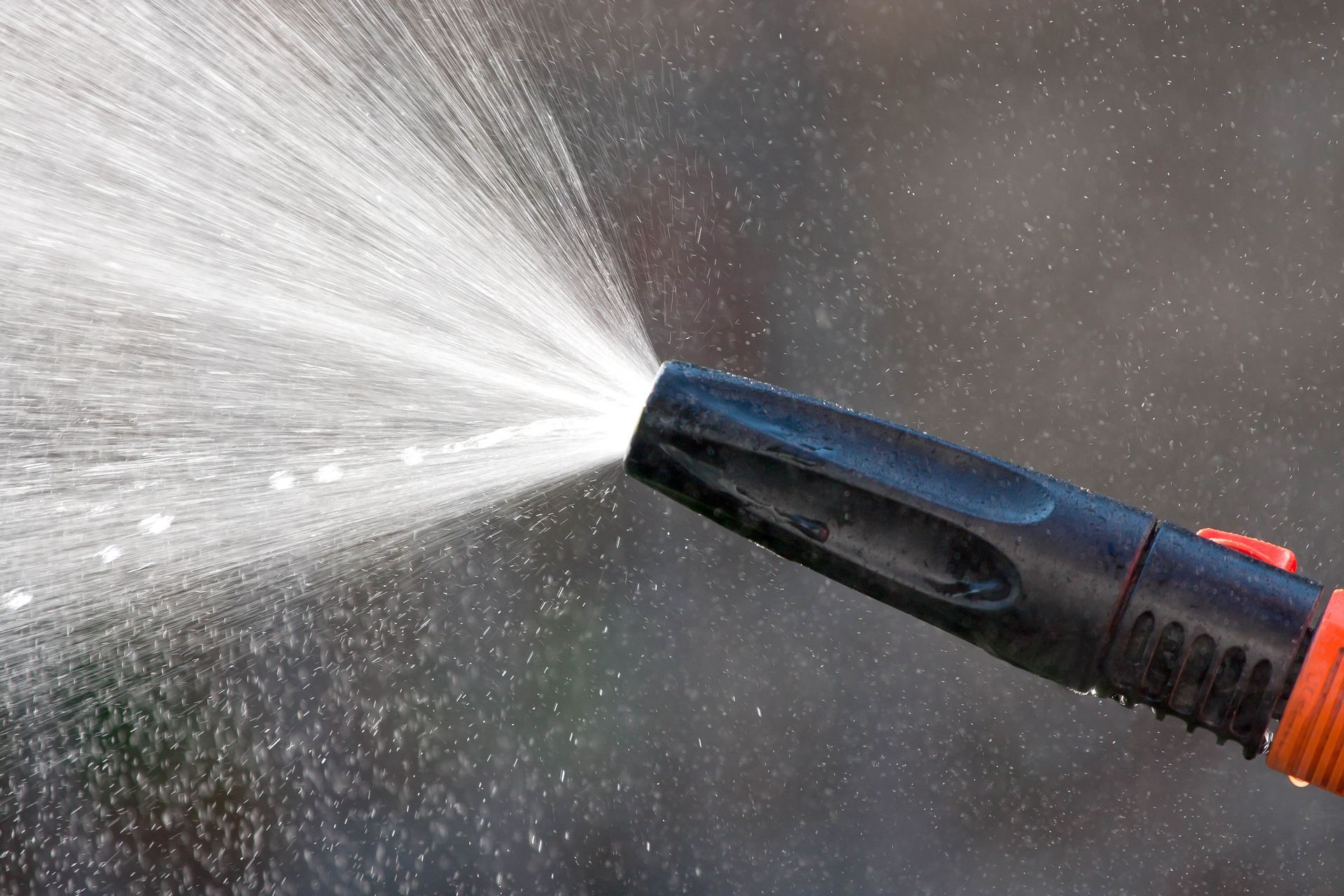
The equipment used in fleet washing is as varied as the services themselves, ranging from high-pressure washers to advanced automated systems. High-pressure washers, for instance, use water managed at forces up to 2,000 PSI, which is effective for removing significant dirt and debris without damaging vehicle surfaces. Innovative technologies like automated washing bays incorporate sensors and control systems for precision cleaning. Modern fleet washing facilities may also employ water reclamation systems, which recover and recycle water, promoting resource sustainability. Technology continues to evolve, making fleet washing more efficient and environmentally friendly.
Manual vs. Automated Washing Techniques
Manual washing techniques involve skilled technicians who clean each vehicle by hand, targeting areas that might be missed by machinery. This method is advantageous for thorough cleaning, especially in tight spaces and complex vehicle exteriors. Automated techniques utilize mechanized systems that can wash multiple vehicles quickly, making them ideal for large fleets and time-sensitive operations. While manual washing can be more labor-intensive and time-consuming, it often results in higher detailed work. On the other hand, automated systems offer speed and consistency, proving cost-effective for high-volume cleaning requirements.
Water Usage and Environmental Considerations
Water usage is a pivotal aspect of fleet washing, as it impacts both cost and environmental footprint. Traditional pressure washers, which can exert force at 2,000 PSI, often use substantial amounts of water. However, modern fleet washing services are adopting water-saving practices and technologies like water recycling systems, pivoting towards sustainability. According to Homes.com, water comes out of the end of a power washing wand at up to 2,000 pounds of force. Regulatory guidelines also encourage water conservation, necessitating that businesses choose services aligned with eco-friendly practices. Considering environmental regulations is crucial for companies aiming to reduce their carbon footprint and enhance their corporate responsibility profile.
Safety Measures and Training for Technicians
Safety is paramount in fleet washing, especially given the high-powered equipment and chemicals used. Technicians undergo rigorous training to understand how to safely operate machinery and handle chemicals without compromising their well-being. Companies must adhere to safety standards to prevent accidents and ensure proper use of protective gear. Additionally, technicians learn to identify and mitigate potential risks that may arise during the washing process. Efficient safety protocols not only safeguard employees but also enhance service reliability and client trust.
Choosing the Right Fleet Washing Service
Assessing Your Fleet's Specific Needs
Choosing the right fleet washing service begins with assessing the specific needs of your fleet, considering factors like vehicle types, dirt levels, and cleaning frequency. Understanding these needs helps in determining the most effective washing method and scheduling suitable for your operations. It's important to have clear objectives, whether it’s improving vehicle aesthetics, safety compliance, or minimizing downtime. Engaging services that offer flexible solutions can provide helpful approaches based on your unique requirements. Proper assessment helps in optimizing costs and ensuring your fleet maintains its professional appearance.
Fleet washing services play a pivotal role in maintaining the functionality, safety, and presentation of company vehicles. The article explored key aspects of fleet washing, from understanding the different types of services to considering logistical and operational elements. Emphasizing technological trends and environmental considerations, it's crucial for businesses to evaluate their washing needs and invest in reliable services for optimal vehicle maintenance. The integration of advanced technologies heralds a new era of efficiency and sustainability in the fleet washing domain. Businesses should embrace these insights to enhance fleet longevity, boost corporate image, and adapt to evolving industry standards. Be sure to reach out to Pro South Power Wash today to learn more about our professional fleet washing services!